Planfit Logo
  • Exercises
  • Community
  • Blog
  • Sign in
Planfit Logo

Copyright ⓒ 2026 Planfit Inc.

InstagramReddit
Exercise Guide
AI Workout Generator
Free Workout Plans
Privacy policy
Terms of Use
Blog
Planfit Logo
  • Exercises
  • Community
  • Blog
  • Sign in

Bounce Squat

Bounce Squat gif

About

This squat variation adds a small bounce at the bottom.

How to Bounce Squat

Starting Position

1. Stand with your feet shoulder-width apart in a regular squat position.

2. Hold a barbell or dumbbells and prepare with your chest upright.

Proper Form

1. Go down into a squat and lightly bounce up and down near the floor.

2. After 1-2 bounces, push off the floor with your heels to stand up.

3. Repeat the same pattern.

Breathing Technique

Breathe in while going down, and breathe out while coming up.

Precautions

1. Do not give a large rebound; just maintain muscle tension within a small range.

2. If you feel strain in your knees or lower back, it’s also good to substitute with regular squats.

From the Community

Share your experience, ask questions, and get tips from other athletes.

Bounce Squat Community

Join the Community →
Bounce Squat Related Reading

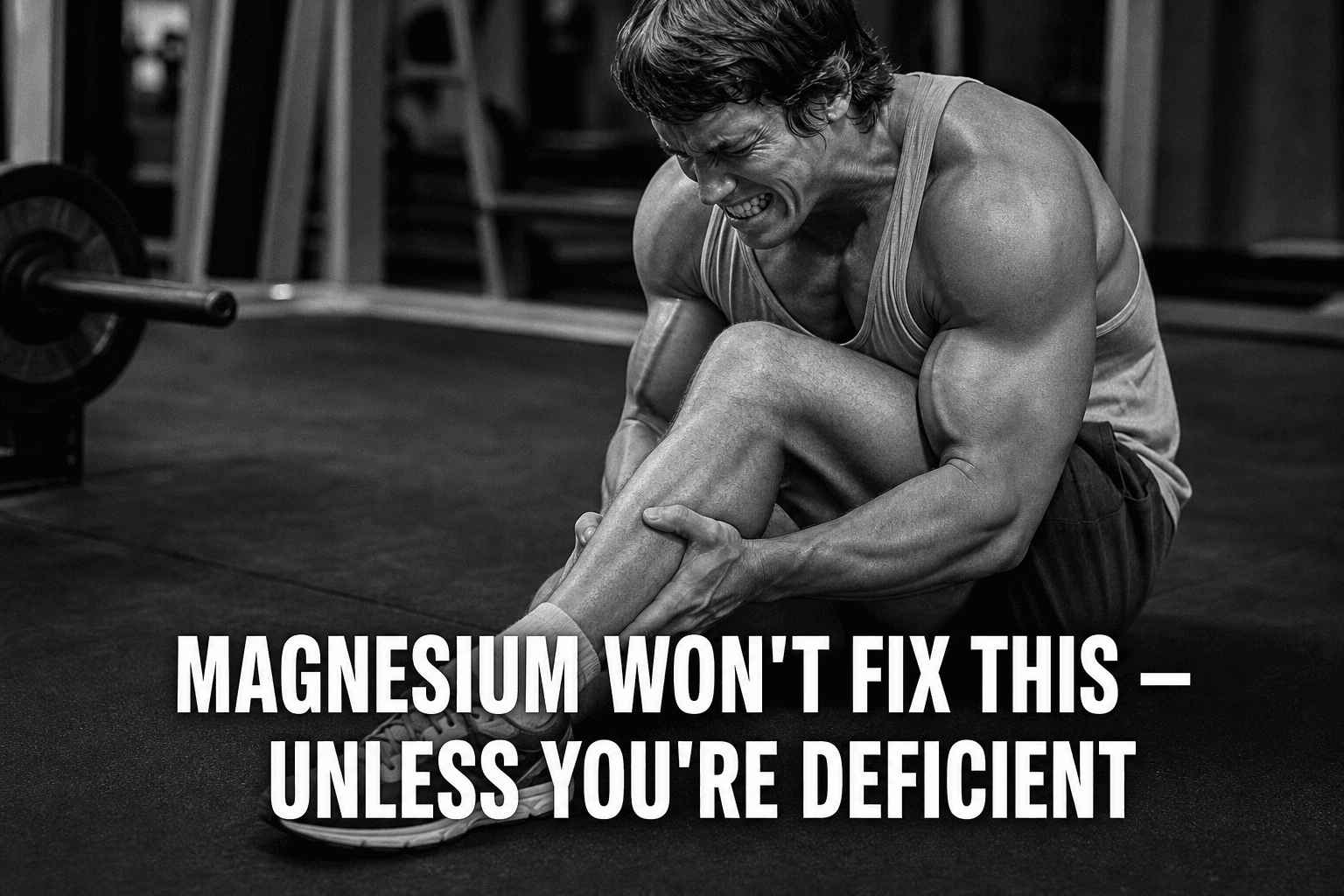
  • Magnesium won't stop your muscle cramps — unless you're deficient, per a 2020 Cochrane review
    Myths Busted

    Magnesium won't stop your muscle cramps — unless you're deficient, per a 2020 Cochrane review

    Magnesium supplements are the go-to for muscle cramps — but a 2020 Cochrane meta-analysis found no reliable benefit for most people. Here's what actually matters.

  • RPE vs RIR: the number that tells you exactly how hard to push — backed by 4 RCTs
    Numbers Don't Lie

    RPE vs RIR: the number that tells you exactly how hard to push — backed by 4 RCTs

    RPE and RIR are two ways to measure effort in real time. Here's what 4 RCTs say about which one works, when, and for whom.

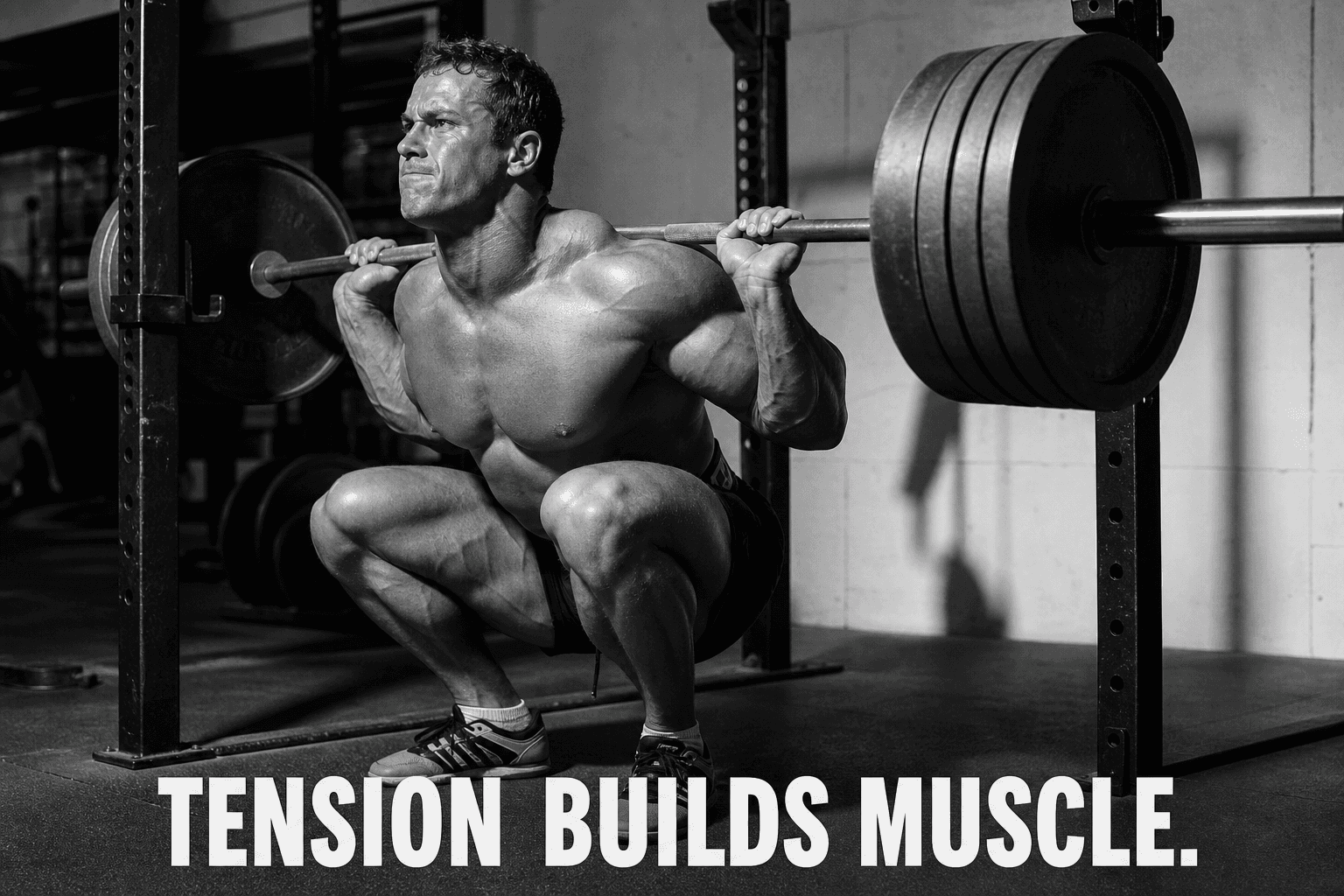
  • Mechanical tension is the primary driver of muscle growth — and 5 peer-reviewed reviews in Sports Med explain exactly why
    What Actually Matters

    Mechanical tension is the primary driver of muscle growth — and 5 peer-reviewed reviews in Sports Med explain exactly why

    Mechanical tension isn't just one factor in muscle growth — it's the main one. Here's what the science actually says, across 5 reviews in top sports-science journals.

  • Exercise does suppress appetite — but a muscle molecule, not willpower, is why (2016 meta-analysis)
    Myths Busted

    Exercise does suppress appetite — but a muscle molecule, not willpower, is why (2016 meta-analysis)

    Does exercise make you eat less? Yes — but the mechanism is a molecule called Lac-Phe, not willpower. Here's what the research actually says, per a 2016 meta-analysis and a 2021 RCT.

  • Rep range almost doesn't matter for muscle growth — what 4 RCTs actually say
    Numbers Don't Lie

    Rep range almost doesn't matter for muscle growth — what 4 RCTs actually say

    5 reps or 30 reps — it barely matters for hypertrophy. Here's what the evidence from 4 recent RCTs actually says about rep ranges and muscle growth.

  • Sets per workout is the only training variable that reliably predicts muscle growth.
    Numbers Don't Lie

    Sets per workout is the only training variable that reliably predicts muscle growth.

    Wondering how many sets per workout you actually need? The answer is simpler than you think — according to a 2020 meta-analysis of 111 studies.

Curious about a Leg workout plan that includes the Bounce Squat

Bounce Squat Alternatives

Barbell Squat

Barbell Squat

Leg press

Leg press

More

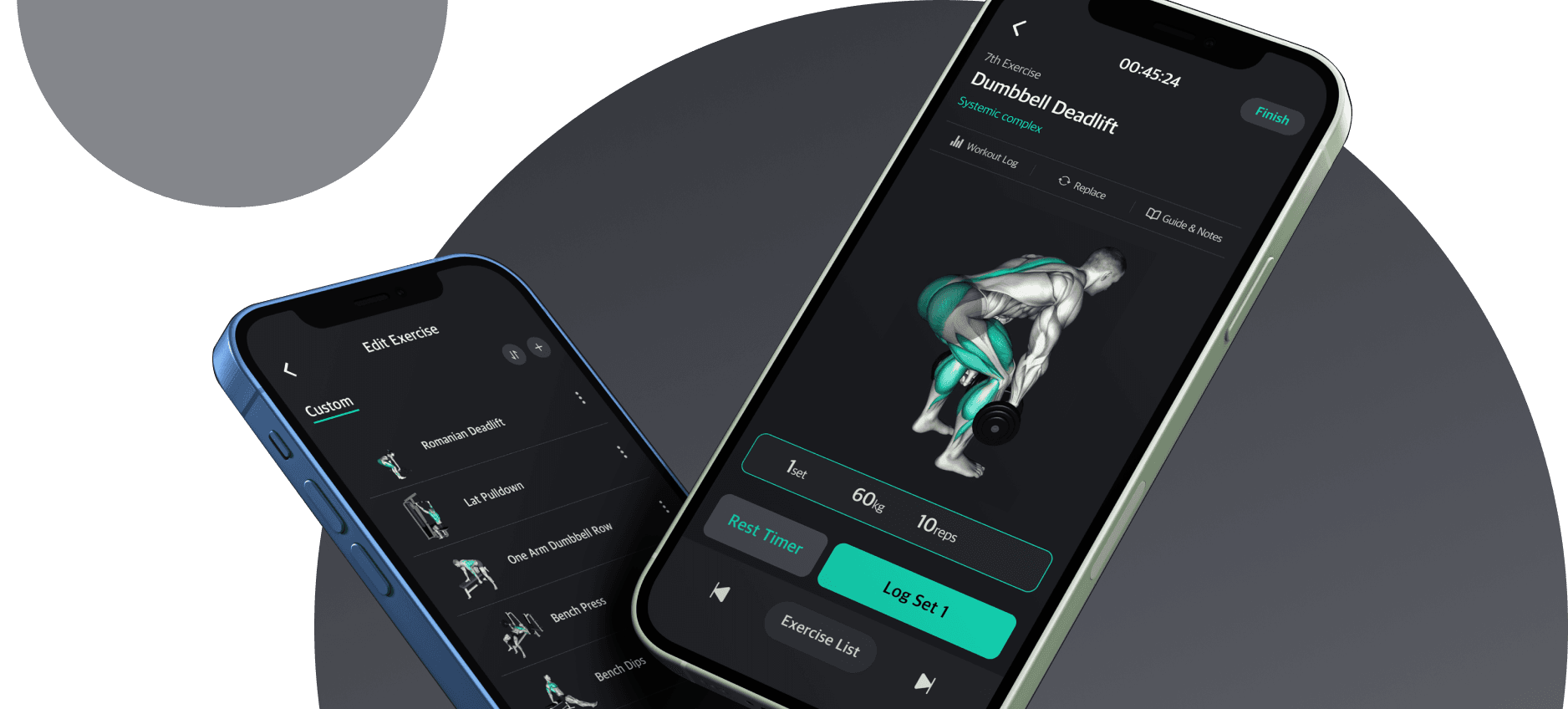
Get Personalized Plans
and More detailed guidance with Planfit

Banner Image
Planfit Logo

Copyright ⓒ 2026 Planfit Inc.

InstagramReddit
Exercise Guide
AI Workout Generator
Free Workout Plans
Privacy policy
Terms of Use
Blog