Postpartum Workout Plan: 4-Day Bodyweight (Intermediate)
5 min read
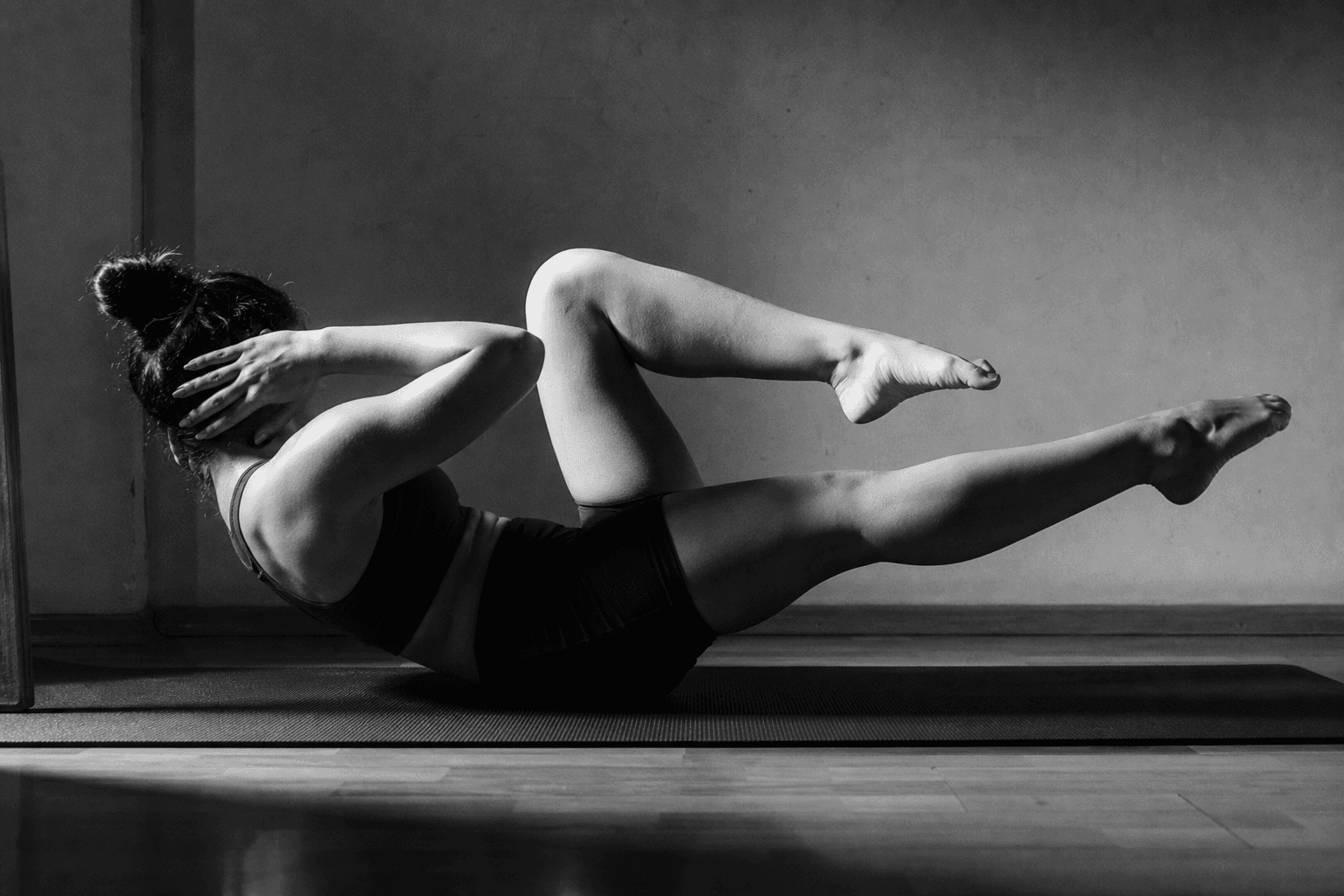
A 4-day bodyweight plan built for where your body is now
This is a 4-day bodyweight plan, split into upper body, lower body, push, and pull days. It's built for someone who has trained before, has cleared it to return to exercise, and wants structure without a gym membership.
Each day trains a group of muscles together so the rest of the week stays clear for recovery. You'll need almost nothing — most days call for just your bodyweight, with one day using a pull-up bar.
Get clearance from a doctor or physical therapist before starting if you haven't already. Once you're cleared, this plan gives you a repeatable structure to build back strength at your own pace.
Day 1 · Upper body
Upper body day pairs pushing (Knee Push Up, Arm Walking Push Up) with pulling and core work (Twist Superman, Chin up) so front and back muscles get equal attention. On the Chin up, if a pull-up bar isn't available, sub in a slow, controlled row done lying face-down instead. Keep your ribs stacked over your hips on every push and pull — don't let your lower back sag.
Day 2 · Lower body
Lower body day mixes squat patterns with rotational core work, which is common after pregnancy when the core needs to relearn how to brace. On the Squat and Wide Squat, go only as deep as you can while keeping your pelvic floor and belly engaged — a shallower range with good control beats a deep one that leaks pressure. Stop a set short if you feel bearing-down pressure.
Day 3 · Push
Push day loads the chest, shoulders, and triceps from a few angles — Bear Push-up, Chair Dips, and Hindu Push Up all ask your shoulders to stabilize differently. Keep your shoulder blades pulling down and back throughout, especially on Chair Dips, where the front of the shoulder takes the most load. Leave 1-2 reps in the tank on your last set of each exercise while you're rebuilding capacity.
Day 4 · Pull
Pull day targets the back, glutes, and rear shoulders — Lying Back Extension and Superman Row rebuild the muscles along the spine that carried a lot of load during pregnancy. Move slowly through the top of each rep rather than snapping into place; a controlled 2-second hold at the top of the Superman Row teaches the muscle to hold a contraction, not just twitch through one.
How to progress week to week
Add reps before you add anything else. Once you can hit the top of the rep range (12) on every set of an exercise with room to spare, that's your signal to make the next session harder — for bodyweight moves, that usually means slowing the tempo down or moving to a harder variation of the same pattern, since you can't add a plate.
Move up one exercise at a time, not the whole day at once. If your push-up variation gets harder while your squat is still building back up, that's normal — postpartum recovery isn't even across muscle groups.
Too fast looks like this: reps go up but your form breaks down, or you're sore for days instead of one. If that happens, repeat the same week's loading again before pushing further. Slow and steady beats a setback that costs you two weeks off.
How to adjust it
No pull-up bar? Swap the Chin up for a bodyweight row done lying face-down, pulling your elbows back and squeezing your shoulder blades together — it trains the same pulling muscles.
Fewer than 4 days available? Run upper and lower body first — that covers the most ground — and add push and pull back in as your week allows. Don't try to squeeze two days into one session; you'll shortchange both.
Missed a session? Just pick up on the next day in the sequence. Don't double up to catch up.
Something feels off (pain, pulling, unusual pressure) — stop that exercise for the day and check in with whoever cleared you for exercise before your next session. This plan is general; it isn't tailored to your specific delivery or recovery timeline.
Mistakes that stall this plan
- Rushing back to pre-pregnancy loads. Your body rebuilds capacity, it doesn't just resume where it left off — chase reps and control before you chase difficulty.
- Holding your breath through core and squat work. Exhale on the effort part of the rep so you're not adding pressure downward on a recovering core and pelvic floor.
- Skipping the pull exercises because they feel less familiar. Superman Row and Lying Back Extension matter as much as anything on push day — they build the back strength that carrying a baby demands.
- Training through sharp pain or leaking pressure. Soreness is normal; pain and pressure are signals to stop and scale back that exercise, not push through it.
FAQ
When can I start a workout plan like this after giving birth?
That depends on your delivery and recovery, and only whoever cleared you for exercise can say for sure. This plan assumes you already have that clearance.
Is bodyweight training enough to rebuild strength postpartum?
Yes, for this stage. Bodyweight work lets you control the load precisely while your core and pelvic floor rebuild capacity — you can always add resistance later once you're stronger.
What if I can't do all 3 sets of an exercise yet?
Do what you can with good form and stop there. Getting through fewer clean sets beats grinding out the full 3 with your form breaking down.
Will this plan help with diastasis recti?
This plan isn't designed to diagnose or treat diastasis recti. If you notice doming or a gap along your midline, mention it to whoever cleared you for exercise before continuing core work.
Want a plan built around your own equipment and level?
This plan is a solid general template to start from. Planfit generates a routine around your goal, experience level, and available equipment, with intensity and warmup sets suggested for each exercise.